Unpacking the UEFA Champions League: A Deep Dive into Records and Current Season Stats
The UEFA Champions League, often heralded as the pinnacle of European club football, has captivated audiences for decades with its blend of tactical mastery, individual brilliance, and unforgettable drama. From its inception as the European Cup in 1955, the tournament has evolved, but its core mission – to crown the continent's ultimate champion – remains. Exploring the vast collection of
champions league stats reveals not just numbers, but the very DNA of footballing greatness, charting the dominance of legendary clubs, the rise of new powerhouses, and the breathtaking performances of its greatest players.
This journey through historical records and current season insights offers a fascinating perspective on what it takes to succeed at the highest level. We’ll delve into which clubs have lifted the coveted trophy most often, which nations have asserted their superiority, and how the current 2025/26 season is shaping up through critical performance metrics.
The Legacy of Champions: Most Wins and Dominant Clubs
Since the tournament first kicked off, twenty-four distinct clubs have etched their names into history by winning the European Cup or Champions League. However, some clubs stand head and shoulders above the rest, demonstrating a sustained level of excellence that transcends eras.
Unsurprisingly,
Real Madrid holds the undisputed record as the most successful club, having won the tournament an astonishing fifteen times. Their unparalleled dominance spans the competition's earliest years to recent triumphs in the modern Champions League era, cementing their status as a footballing institution synonymous with European glory. For a more detailed look at their incredible journey and other leading nations, explore our dedicated article:
Real Madrid's Dominance: Ultimate Champions League Winners by Club & Nation.
Beyond Real Madrid, a select group of twelve other clubs have tasted multiple successes, illustrating the consistent quality required to repeatedly conquer Europe. This illustrious list includes giants like Milan, Bayern Munich, and Liverpool, each with their own rich tapestry of European narratives. Clubs such as Benfica, Inter Milan, Ajax, Juventus, Manchester United, Porto, Barcelona, and Chelsea have also added multiple titles to their cabinets, showcasing different eras of tactical innovation and star power. These clubs have not merely won but have often defined epochs of European football, setting benchmarks for ambition and achievement.
The competition also highlights the harsh reality of elite sport: eighteen clubs have reached the final stage, only to fall short and never hoist the trophy. This stark statistic underscores the immense pressure and fine margins that dictate success at the highest level, transforming the final into an ultimate test of nerve and skill. For these teams, reaching the final is an achievement in itself, but the dream of ultimate glory remains tantalizingly out of reach.
National Pride: Which Countries Reign Supreme?
The success of individual clubs inevitably reflects on their national leagues, creating a captivating international rivalry within the Champions League framework. When we analyze the total number of titles won by clubs from each country, a clear hierarchy emerges, speaking volumes about the strength, financial power, and tactical development within different footballing nations.
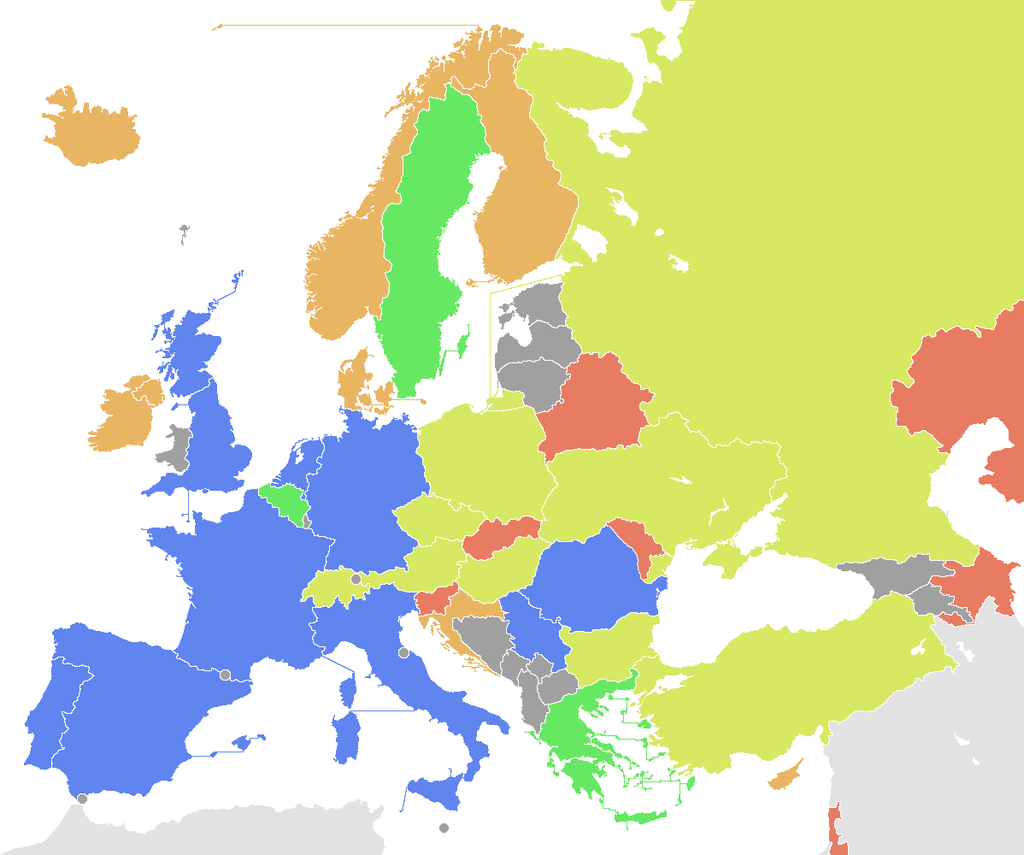
Spanish clubs collectively lead the charge with an impressive twenty titles. This dominance is primarily fueled by Real Madrid and Barcelona's consistent success, demonstrating La Liga's strength in producing and nurturing world-class talent and tactical systems that thrive on the European stage.
England follows closely behind, with its clubs accumulating fifteen titles. The Premier League's financial might, global appeal, and intense competitiveness have propelled teams like Liverpool, Manchester United, and Chelsea to multiple triumphs, showcasing the depth of English football.
Italy rounds out the top three with twelve titles, thanks to the historical successes of clubs such as Milan, Inter Milan, and Juventus. Serie A's tactical sophistication, particularly its renowned defensive solidity, has historically served its representatives well in European competition.
Further down the list, Germany boasts eight titles, largely due to Bayern Munich's consistent presence, while the Netherlands has six, primarily through the historical achievements of Ajax. Portugal has four titles, thanks to Porto and Benfica, and France has two. Nations like Scotland, Romania, and Yugoslavia each hold a single title, representing a moment of glory for their respective leagues. The journey also highlights clubs from Greece, Belgium, and Sweden that have bravely reached the final but, like their club counterparts, have never managed to secure the ultimate prize. These national tallies paint a vivid picture of the ebb and flow of footballing power across Europe over the decades.
Deep Dive into the Current Season (2025/26): Unpacking Key Metrics
Beyond historical accolades, the UEFA Champions League continues to evolve, with each season presenting new narratives and performance trends. The 2025/26 season is no exception, offering a fascinating snapshot of current club and player dynamics. Examining the latest
champions league stats provides crucial insights into who is performing, how they are performing, and what tactical approaches are dominating the modern game. For a more detailed and updated look at this season's trends, check out:
Champions League 2025/26: Decoding This Season's Top Club & Player Stats.
Goal-Scoring Prowess
The beautiful game is, at its heart, about goals. This season has already seen a remarkable 534 goals scored across the competition, averaging an exciting 3.43 goals per match. With a goal arriving approximately every 26 minutes, spectators are being treated to an offensive spectacle.
*
Top Scoring Clubs: Newcastle leads the pack with 26 goals, closely followed by Paris Saint-Germain and Atlético Madrid (both with 24). Arsenal (23), and a tie between Barcelona and Real Madrid (both 22) complete the top scorers. This indicates a strong attacking emphasis from these teams, whether through relentless pressing, fluid passing, or individual brilliance.
Mastering Possession and Passing
In modern football, control often begins with possession and accurate distribution. These metrics reveal which teams are dictating the tempo and flow of matches.
*
Possession (%): Paris Saint-Germain leads significantly with 65% average possession, followed by Barcelona (61.5%) and Manchester City (59%). Real Madrid (56.6%) and Bayern Munich (56.5%) also show strong control. High possession often correlates with a dominant playing style, allowing teams to wear down opponents and create more opportunities.
*
Passing Accuracy (%): PSG and Manchester City share the top spot for passing accuracy at an impressive 91.4%. Chelsea (90.2%), Bayern Munich (89.8%), Liverpool (89%), and Barcelona (88.9%) also demonstrate exceptional ball retention. High passing accuracy is crucial for maintaining possession, building attacks, and breaking down organized defenses.
Defensive Fortitude
While goals and possession grab headlines, defensive resilience is equally vital. Teams that excel in tackles, recoveries, saves, and clean sheets often prove to be the most difficult to beat.
*
Tackles: Olympiacos stands out with 172 tackles, indicating a high-intensity defensive approach or perhaps facing more direct pressure. Union SG and Real Madrid follow with 169.
*
Balls Recovered: Again, Olympiacos leads with 451 balls recovered, suggesting a highly active and organized defense. Newcastle (428) and Bodø/Glimt (422) also demonstrate strong recovery efforts. These stats highlight teams that are adept at regaining possession quickly, whether through pressing or smart positioning.
*
Saves: Bodø/Glimt's goalkeepers have been busy, making 56 saves, closely followed by Real Madrid (49). This can indicate a strong goalkeeper, a defense that allows shots from less dangerous areas, or simply a team that faces a lot of attacks.
*
Clean Sheets: Tottenham leads the way with 6 clean sheets, showing remarkable defensive solidity. Arsenal and Leverkusen have 5, while Liverpool, Newcastle, and Inter each have 4. A high number of clean sheets is a testament to effective team defense, from the forwards pressing to the goalkeeper's final intervention.
Individual Brilliance: Top Scorers and Playmakers
Individual players often provide the moments of magic that decide games. The current season highlights several standout performers.
*
Goals: Kylian Mbappé of Real Madrid leads the scoring charts with 13 goals, reaffirming his status as one of the world's most lethal attackers. Anthony Gordon (Newcastle) has 10, Harry Kane (Bayern Munich) 8, and Erling Haaland (Manchester City) 7. These players are often the focal points of their teams' attacks, converting chances with clinical precision.
*
Assists: Olise (Bayern Munich) and Vinícius Júnior (Real Madrid) share the top spot for assists with 6 each, showcasing their creative influence. Pierre-Emerick Aubameyang (Marseille) has 5 assists, while Blomberg (Bodø/Glimt), Arda Güler (Real Madrid), and Dominik Szoboszlai (Liverpool) each have 4. These playmakers are crucial for unlocking defenses and setting up scoring opportunities for their teammates.
*
Top Speed: While the full data for top speed was truncated, this metric is vital for understanding the physical demands of the modern game, highlighting players who possess exceptional acceleration and pace, often crucial for breaking away from defenders or tracking back effectively.
Beyond the Numbers: What Do These Stats Tell Us?
These Champions League statistics are more than just raw figures; they are a narrative of football's evolution. Historically, the dominance of certain clubs and nations underscores eras of tactical innovation, economic power shifts, and the enduring quality of specific footballing cultures. Real Madrid's consistent success, for instance, isn't just about money; it’s about a deeply ingrained winning mentality and a strategic approach to recruitment and management.
In the current season, the detailed club and player stats offer actionable insights. For analysts and coaches, they can identify tactical trends: is a high-pressing, ball-recovering style (like Olympiacos) effective against possession-heavy teams (like PSG)? Do teams with high possession and passing accuracy automatically translate that into goals, or do clinical counter-attacking sides thrive by being more efficient with fewer chances?
For fans, understanding these metrics enhances the viewing experience. Knowing that a team like Tottenham excels in clean sheets means appreciating their defensive organization, while Mbappé's goal tally highlights the critical role of individual match-winners. These stats help us predict potential outcomes, understand a team's strengths and weaknesses, and appreciate the strategic depth of each encounter. They illustrate that the Champions League is a chess match played at breakneck speed, where every pass, tackle, and save contributes to the grand narrative.
Conclusion
From the foundational years of the European Cup to the highly sophisticated UEFA Champions League of today, the tournament continues to be a rich source of footballing history, drama, and statistical insight. The enduring dominance of clubs like Real Madrid, the fierce national rivalries, and the constantly evolving performance metrics of the current season all contribute to its unparalleled appeal. These
champions league stats offer a window into the past, present, and future of elite European football, reminding us why this competition remains the ultimate stage for clubs and players to forge their legends. As new records are set and old ones challenged, the Champions League will undoubtedly continue to thrill and inspire generations of football enthusiasts worldwide.